



In yet another disturbing episode that underscores growing law and order concerns in the state capital, a residential lane in Punjabi Colony near Angelwood School, Brahmanwala, under the ISBT police outpost and Patel Nagar police station limits, witnessed alleged stone-pelting and intimidation by a group of youths—sparking fear among local residents.
According to a written complaint filed by local resident Akshay Rana, nearly 15–20 youths have been assembling in the locality over the past few days, allegedly creating unrest and deliberately attempting to intimidate residents. The group, said to be from outside the neighbourhood, reportedly moved around the lane carrying stones and sticks, heightening anxiety among families.
The situation escalated on Tuesday evening when the youths allegedly began pelting stones at houses and parked vehicles. Several car window panes were reportedly smashed, and private property suffered damage. Residents who objected to the disturbance were allegedly met with verbal abuse, threats, and provocative behaviour.
The complaint further states that the group went door to door, repeatedly ringing bells and passing objectionable remarks in an apparent attempt to provoke confrontation. Fearing escalation, many families stayed indoors, avoiding any direct engagement.
As panic spread, residents dialled the emergency helpline 112. Police personnel reached the spot shortly thereafter. CCTV footage of the incident was reportedly shown to the responding officers to substantiate the allegations.
Locals say such incidents are no longer isolated, with street-level disorder increasingly troubling once-peaceful residential pockets of Dehradun. Women, children, and elderly citizens are said to be the worst affected, as anxiety over safety deepens.
Residents have demanded enhanced patrolling, preventive action, and swift identification of those involved. The complainant has urged authorities to conduct a time-bound and impartial investigation, warning that failure to act decisively could embolden anti-social elements and normalise street violence in the city.
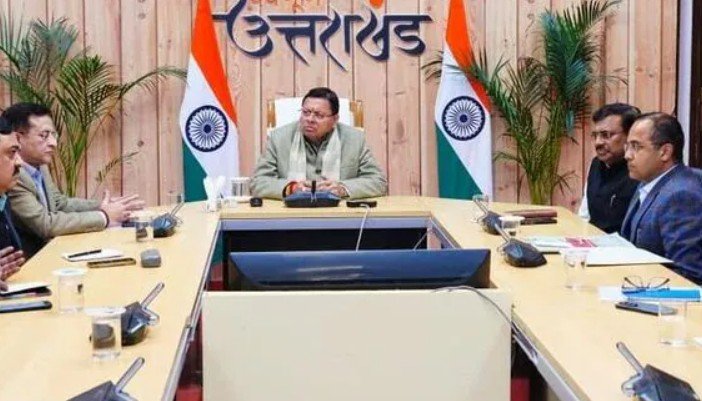
Meanwhile, Chief Minister Pushkar Singh Dhami has recently reiterated the government’s commitment to strengthening law enforcement across Uttarakhand. Calling for operational reforms within the police force, he directed officials to improve the functioning of police stations and outposts, intensify patrolling in sensitive zones, and launch focused enforcement drives in urban centres to improve public safety and traffic discipline.
Stressing accountability, the Chief Minister warned that no leniency would be shown towards those attempting to disturb public order. He emphasised that visible results must be delivered on the ground and that responsibility for lapses would be fixed at every level. Dhami reaffirmed the state government’s goal of building a “crime-free Uttarakhand,” asserting that peace, security, and good governance remain central to the state’s development agenda.
Rising Crime in Uttarakhand: A Growing Concern
Recent data from the State Crime Records Bureau indicate a steady increase in reported crimes across Uttarakhand over the past two years, particularly in urban districts such as Dehradun, Haridwar, and Udham Singh Nagar. Property-related offences, street altercations, and cases involving public disorder have shown a noticeable uptick.
In Dehradun alone, incidents of vandalism, theft, and group clashes have risen compared to previous years, reflecting the pressures of rapid urban expansion and population growth. Law enforcement officials acknowledge the challenges posed by increasing migration, urban congestion, and youth-related delinquency.
Security experts say enhanced surveillance, stronger community policing, and faster response mechanisms are critical to reversing the trend.
The latest stone-pelting incident near ISBT serves as another warning signal for authorities and residents alike. As Dehradun grows, ensuring that development is matched with robust law enforcement and proactive policing will be crucial. Restoring public confidence, safeguarding neighbourhood peace, and delivering swift justice in such cases will determine whether the state can effectively curb what many now describe as a rising tide of urban crime in Uttarakhand.
